
Join the Work
Better Questions Need More Voices
Human settlement cannot be understood through a single discipline, profession, culture, or perspective.
The work we are undertaking brings together questions of human flourishing, land, architecture, education, economics, agriculture, ecology, engineering, construction, technology, governance, culture, health, and the many systems that shape everyday life.
We do not expect to understand all of these ourselves.
We need people who know things we do not.
We welcome conversations with researchers, practitioners, educators, builders, investors, institutions, communities, students, and thoughtful individuals who share an interest in reconsidering how the places we develop might better support human life.
You do not need to agree with everything we currently think.
You need to care about the question.
There Are Many Ways to Contribute
Participation does not necessarily mean joining a formal team.
You may know of research we should read. You may have spent your career working within a system we are trying to understand. You may see a flaw in one of our assumptions. You may have practical knowledge that rarely appears in academic literature. You may be working on a similar question elsewhere in the world.
You may simply have a perspective worth hearing.
We welcome contributions through research, professional knowledge, lived experience, criticism, documentation, collaboration, technology, design, experimentation, investment, and practical implementation.
Our objective is not to assemble people who think alike.
It is to bring together people willing to think seriously together.
Who to Contact
Rather than directing every conversation through a general inbox, we encourage you to contact the person whose area of focus most closely relates to your interests.
Stephen Bliss
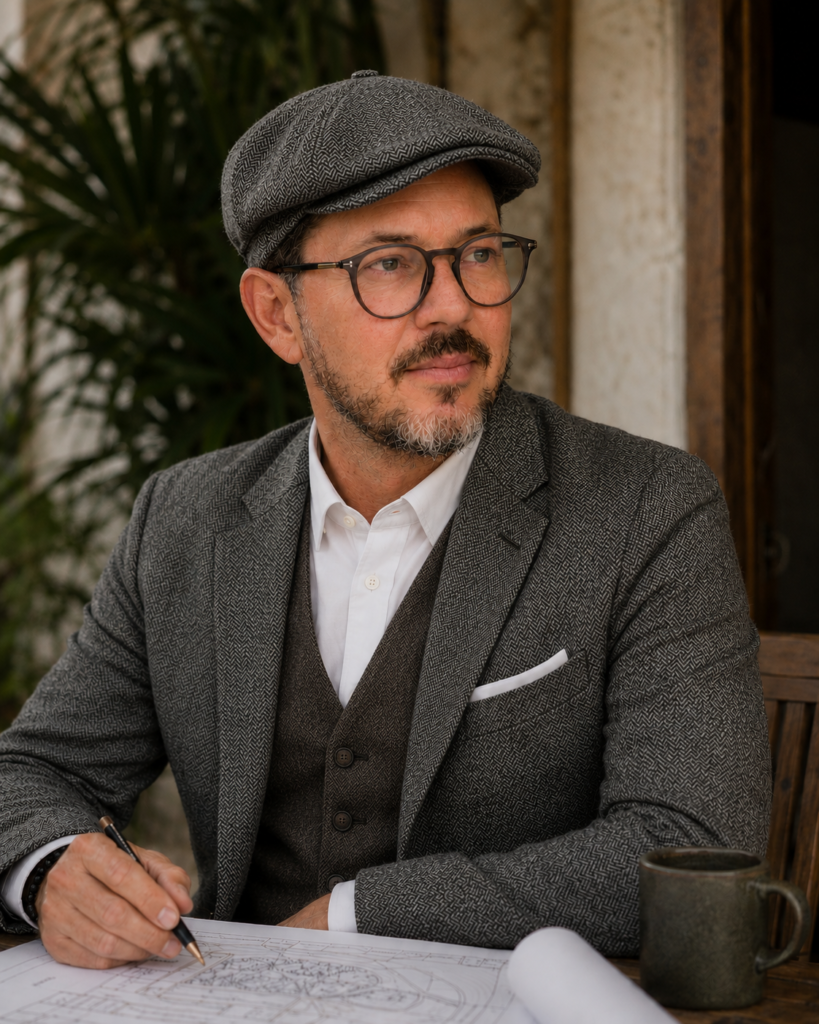
Settlement Design · Place · Development Systems
Stephen’s work focuses on the relationship between human life and physical place—bringing together settlement thinking, land planning, architecture, development systems, capacity of place, productive landscapes, and the translation of Human Settlement principles into physical form.
Good conversations for Stephen:
Settlement design, land and site evaluation, architecture, development systems, Capacity of Place, Development Modules, physical planning, productive systems, project development, and application of the Human Settlement approach.

Phone: +52 999 997 1749 (Mexico)
Email: steve@investordevelopments.com
Daniel Förtsch
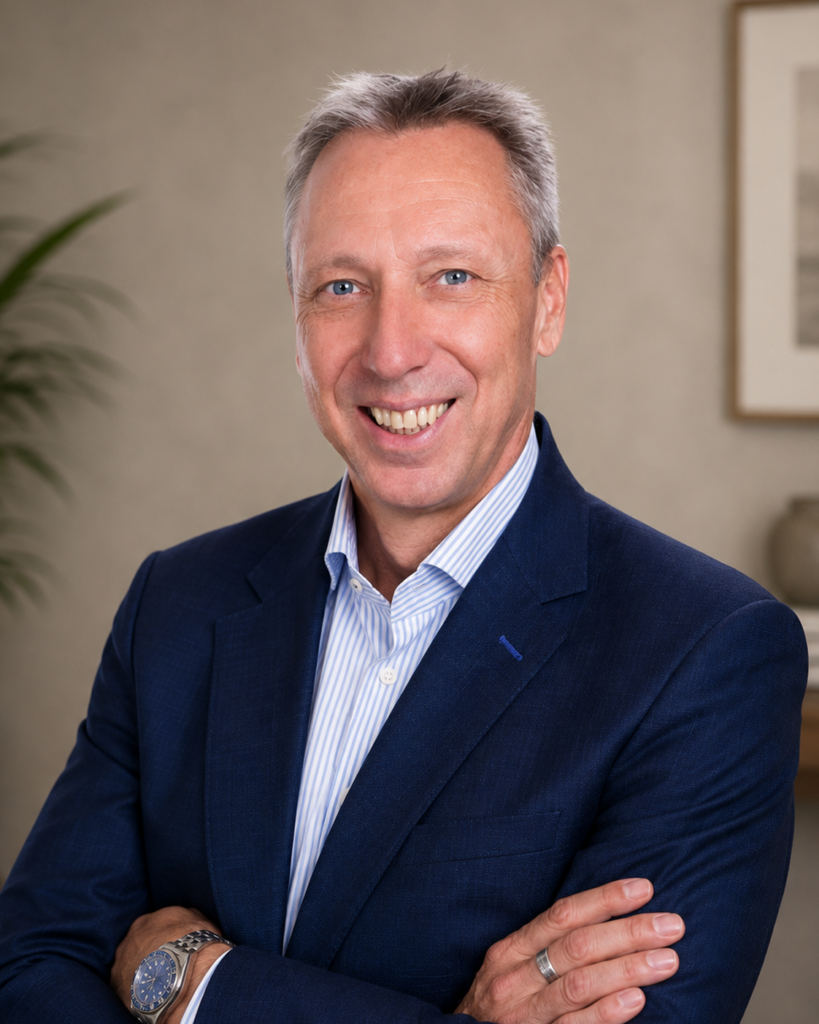
Human Flourishing · Education · Human Systems
Daniel’s work focuses on the human dimension of settlement: the conditions that support human flourishing, learning, awareness, capability, personal agency, meaningful participation, and the continuing development of human potential.
Good conversations for Daniel:
Human flourishing, education, learning environments, psychology and human behavior, capability, human becoming, social systems, research, and the relationship between people and the environments they inhabit.

Phone: +1 506 7145 9385 (Costa Rica)
Email: daniel.foertsch7@gmail.com
Sergio Cerceño
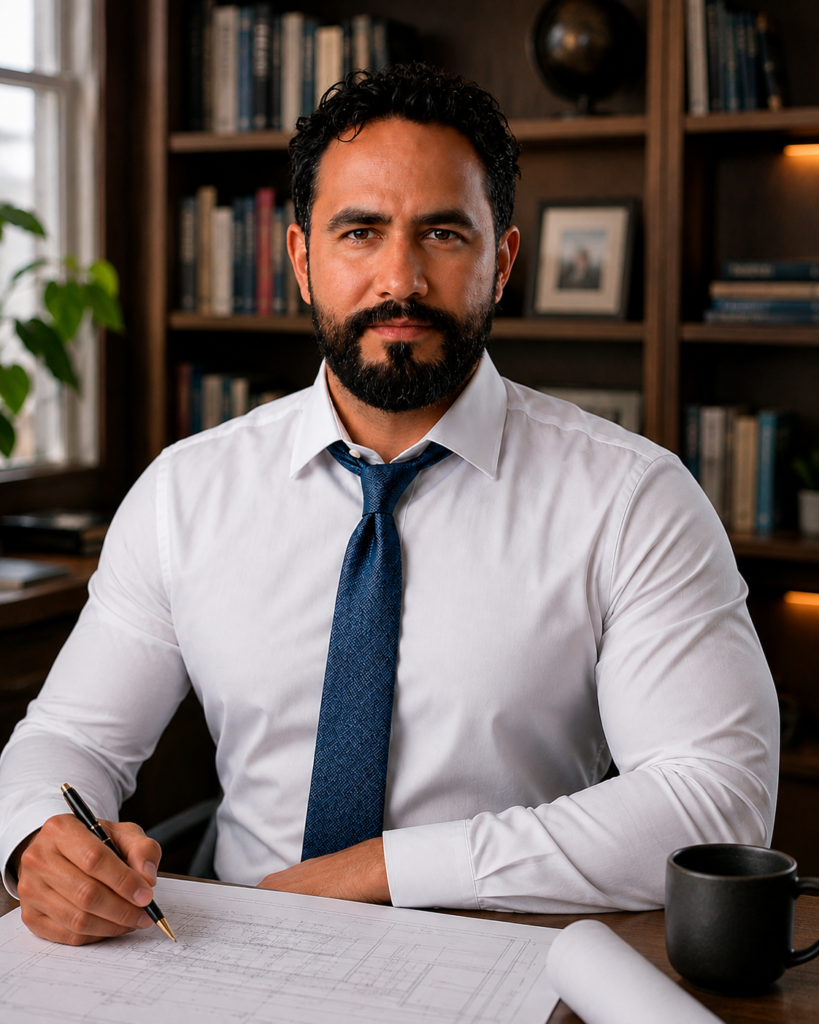
Implementation · Construction · Physical Systems
Sergio’s work focuses on turning ideas into functioning systems—connecting planning with construction, infrastructure, operations, logistics, materials, implementation, and the practical realities of creating and maintaining physical places.
Good conversations for Sergio:
Construction, engineering, infrastructure, materials, implementation, project operations, logistics, building systems, constructability, maintenance, and practical execution.

Phone: +1 506 8829 7831 (Costa Rica)
Email: sergio@investordevelopments.com
Not Sure Where You Fit?
That’s perfectly fine.
Some of the most useful conversations may occur precisely because they do not fit neatly within the disciplines we have already identified.
Human settlement touches nearly every aspect of life, and we expect this work to encounter knowledge, people, and questions we have not yet considered.
Tell us what you are thinking.
What are you working on?
What have you learned?
What do you think we are missing?
What should we be reading?
What deserves to be challenged?
What might we explore together?
An Open Invitation
This work is intentionally unfinished.
We are not assembling a doctrine to defend. We are developing a body of work to question, test, refine, and eventually put into practice.
If something in these ideas resonates with your own experience—or challenges it—we would like to hear from you.
Bring your knowledge. Bring your questions. Bring your criticism. Bring your experience.
Help us develop a better trajectory.